Random entry from the Encyclopaedia Telrhinica:

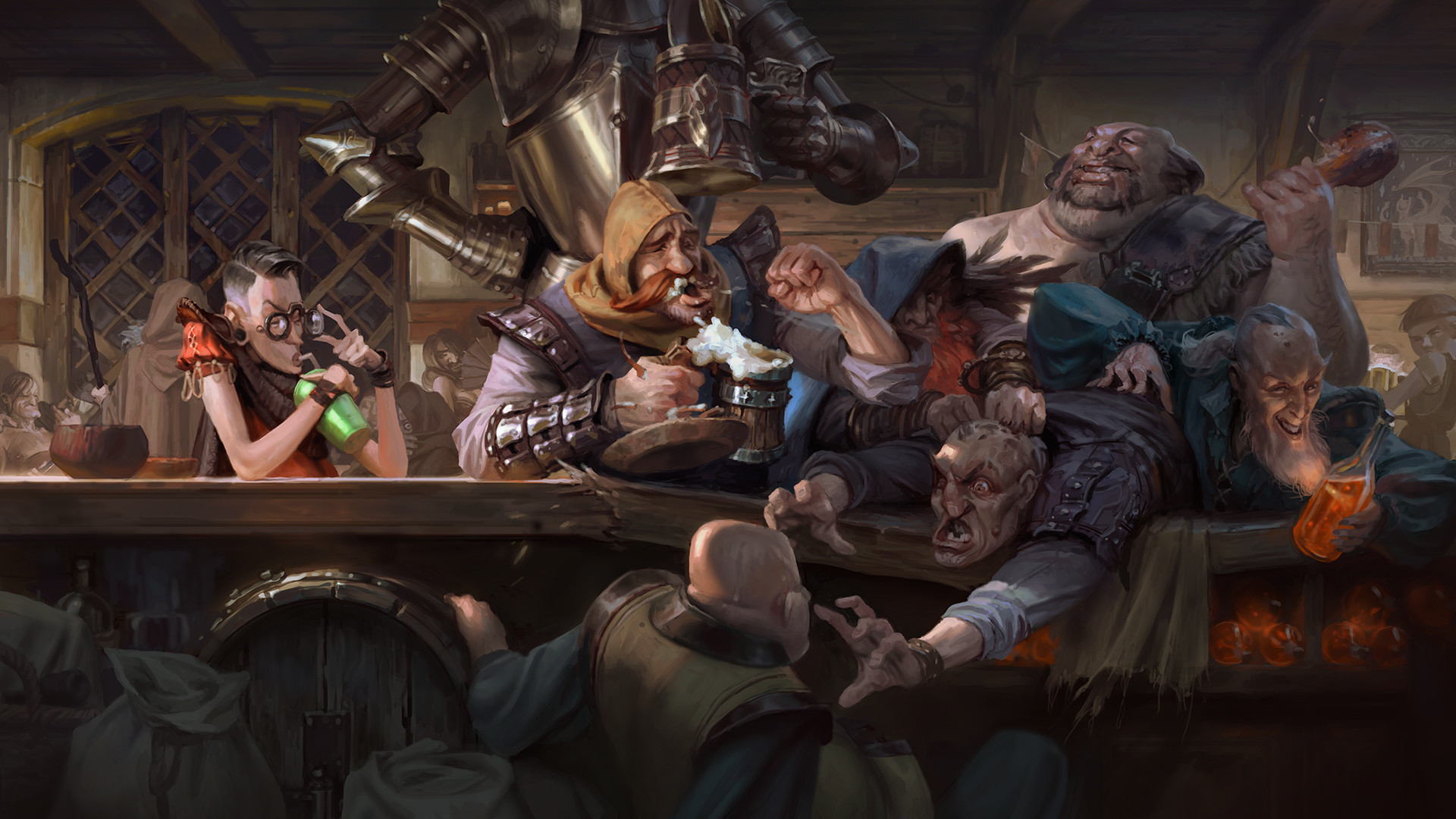
Foaming Mug
Small inn in Kastlon (Ausgourd), not without charm if you can stomach the bigoted pro-Westron politics.

The Blog: Telrhin Updates and World Errata

Sort by: World & Cosmology Game Systems & Rules Campaigns, Sessions, and Site History

Updates, new pieces of the world, game design, and things I find in the old campaign notes.

Follow me on Bluesky or grab the rss feed.

Dragonbane Options: Escalation Die and Enhanced Fumbles

I put together some options for Dragonbane to spice up combat in our campaign.

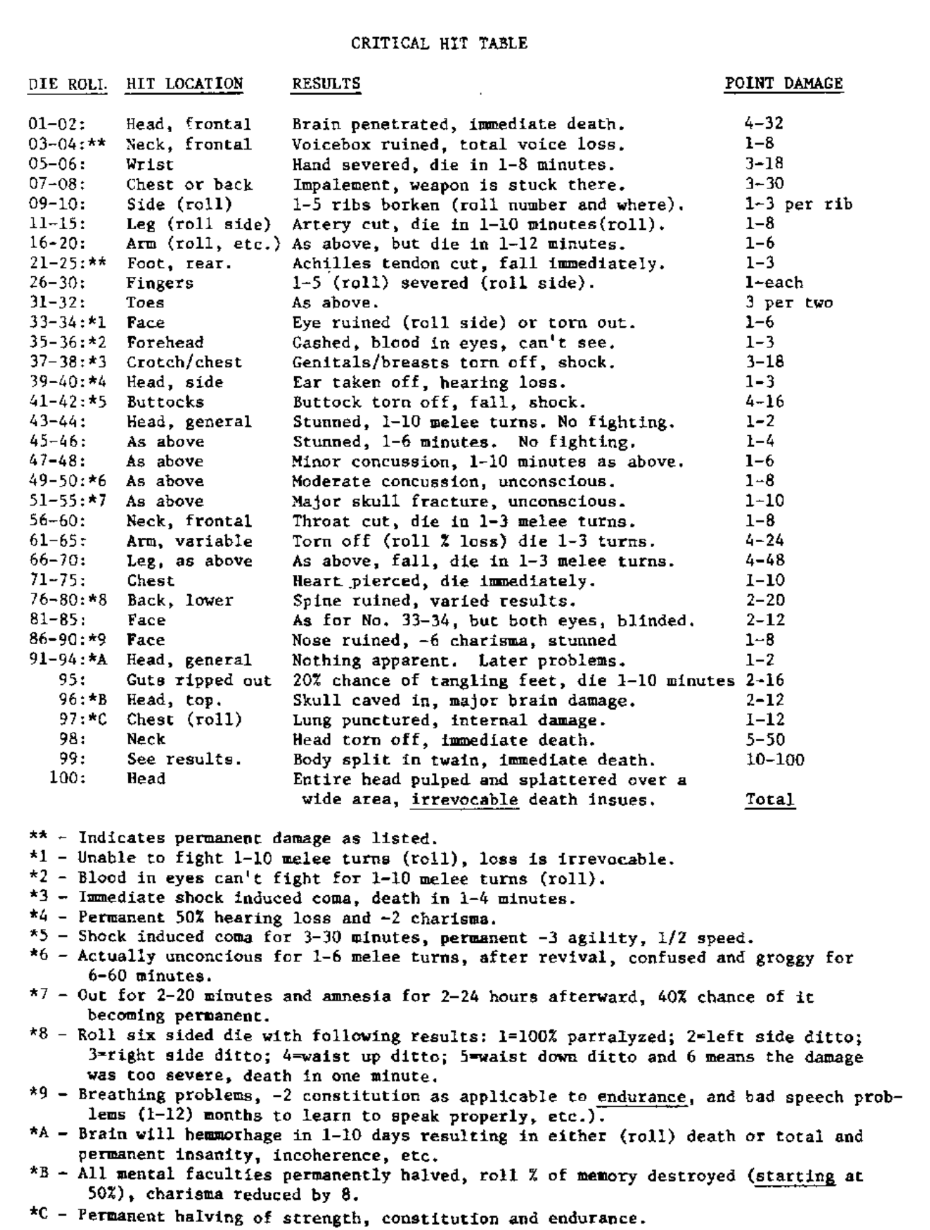
The fumble results borrow from DCC RPG and our in-house OSR Stabmaster rules, with inspiration from the Arduin Grimoire and its glorious Critical Hit table.

The goal was to make fumbles a larger part of the game: more mirth and variety, adding more flavor than the stock 6 options in the core rules. I leaned heavily on Conditions, both as part of how Dragonbane works but because Conditions contribute directly to the fumble roll itself. 

We're also using the Escalation Die, straight from 13th Age (Pelgrane Press). A great mechanic, which brings the added intensity to fumbles as part of that roll as well.
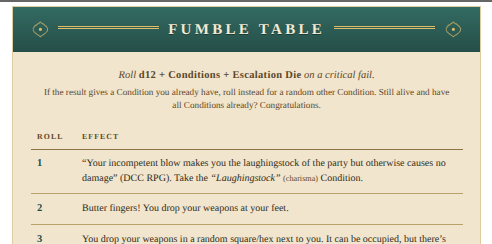
https://freeleaguepublishing.com/Fumble table (cropped)

The Dream-Dark Sky

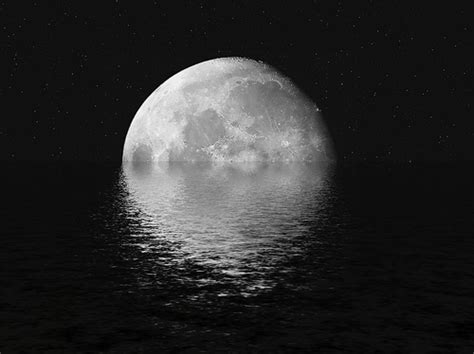
A short piece on the night sky and how it reflects the larger cosmos of Telrhin. More than a map of stars and the solar system, it tells the story of the world.
 

The sky above is dark and thick with stars, rich and vibrant and full of life.

A velvet dark ceiling, gathered around the black void at the center: the Womb, the Well of Dreams, the dream-dark source of all things.

The three moons find their place too: Luna the red goddess, Tala the grey, and Mashana the broken moon that circles the great dark world of Orh heavy in the skies above.

Dogs to Rats to Baby Dragons: How Kobolds Changed in D&D

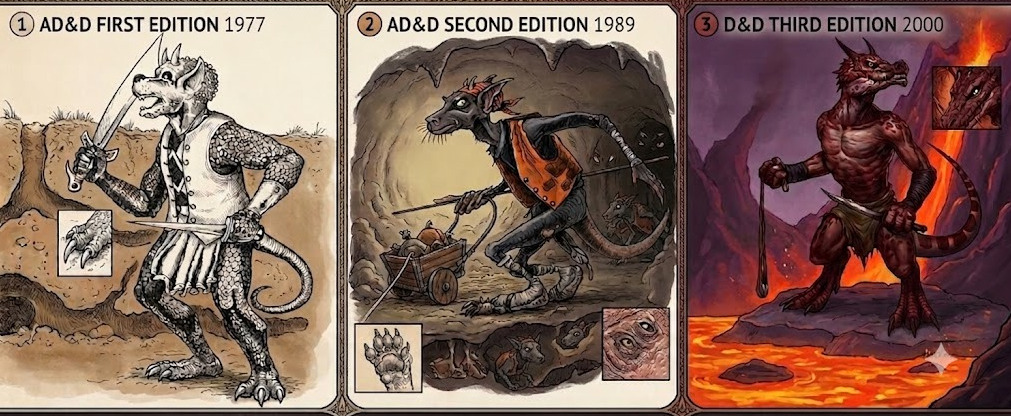
Kobold phylogeny

The kobold that most of us grew up with was a nasty little dog creature. Illustrated by David C. Sutherland III in 1977 for the original AD&D Monster Manual.

The Wars of Talon the Golden Queen

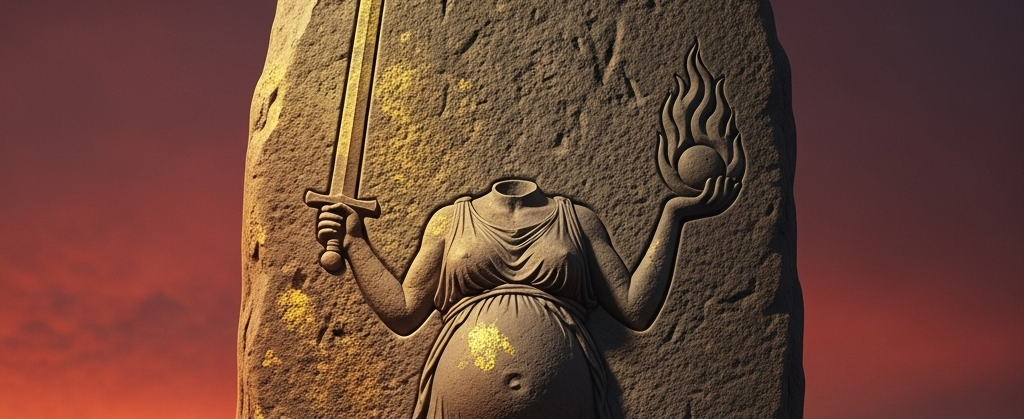
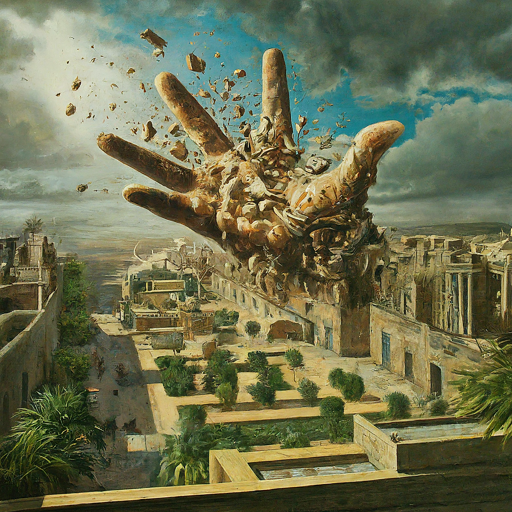
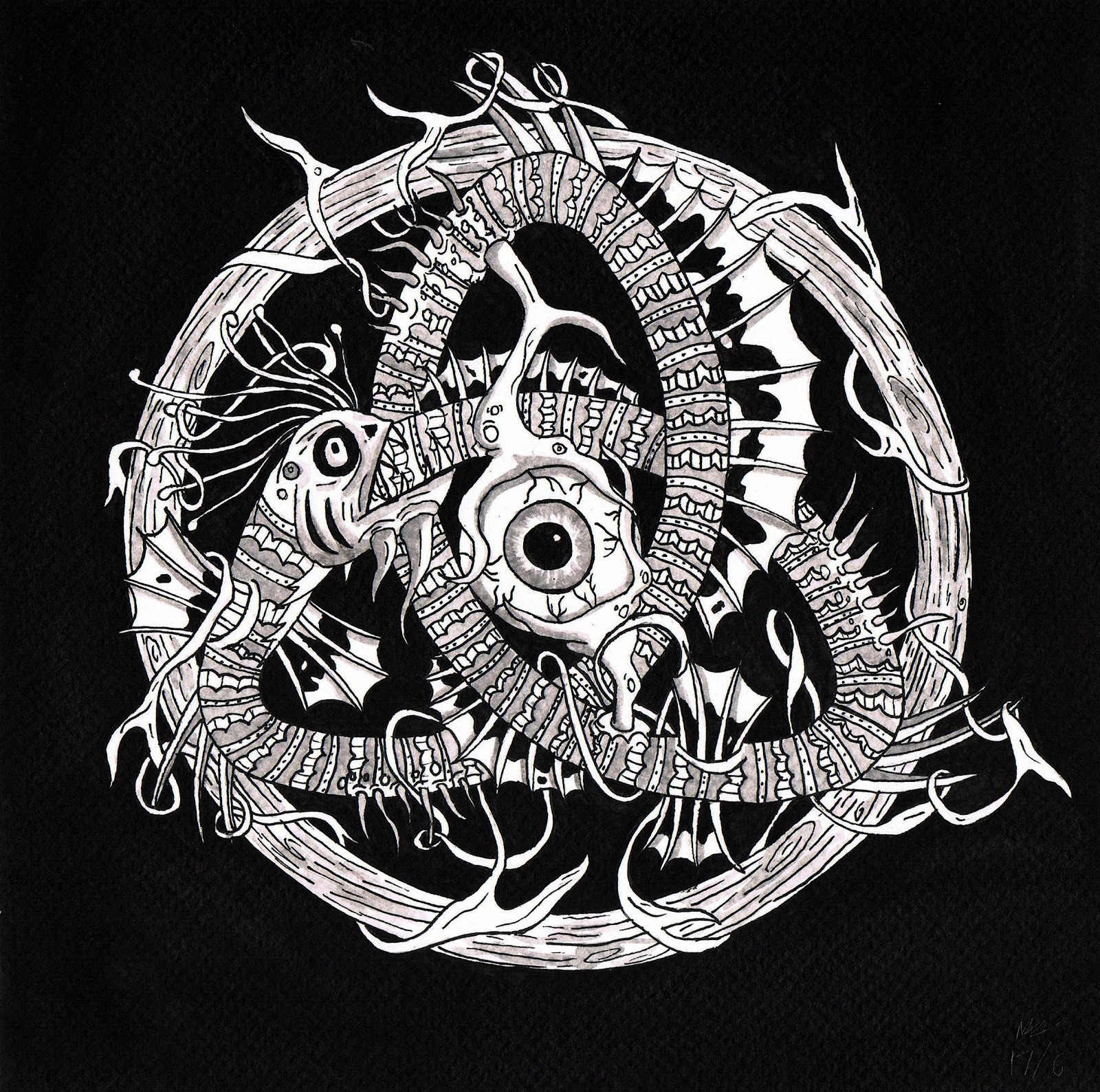
This is a snippet from the history appendix about Talon. The image shows her incarnation as Maragul, the Faceless Mother.


Goddess, demi-god, the Black Queen. Her hand has been in conflicts throughout the story of Telrhin, from the discord among the Five Gods through the betrayal of the Kaladri and the Eldring Wars.

Goddess of the broken moon Mashana, the Golden Queen liberating the world from the tyranny of the old order, leaving war and famine in her wake. 

The World Story

This is an excerpt covering the monomyth of Serpent Earth and the premise of the world story.
 

The world is changing, writhing, cracking under the strain of time. Serpent Earth is waking, her many dreams fracturing as she uncoils. 

In the beginning the world was a scattered sky of different dreams, each one a world, born from the Womb and the Well of Dreams. Born from the sleeping minds of sleeping gods.

God Meat and the Cult of Sylas

Some might argue that this is the greatest solution to starvation ever conceived and a true miracle of the gods. Others - possibly the zealous followers of other religions - called it a blasphemous abomination. When it came to light that the source of the free meat was a giant bleeding aberration, the meat lost its appeal and communities turned against it. It didn't help that it had a strange taste some people compared to fish oil. The fish taste was sometimes excused away with an elaborate tale of Sarides, the "sometimes-brother" god of Sylas, and how he plucked the meat-sack-thing from the sea.

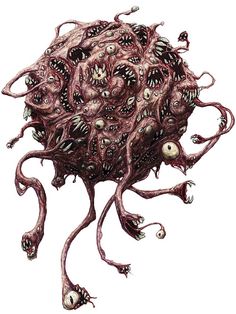
drawing of a beholder

Social Factions on the Valek Sea

The cities and coasts of the Valek are all unified by the sea. You could say that everything around the Valek faces inward, and the sea is the focus of everything: trade, food, wealth, power, and war. The roonhands of the Valek are tied to this global world, influenced by the cultures of a hundred ports, speaking the same slang creole as the sailors: called Planker, it's a mix of Thurne, Tagani and Korul.

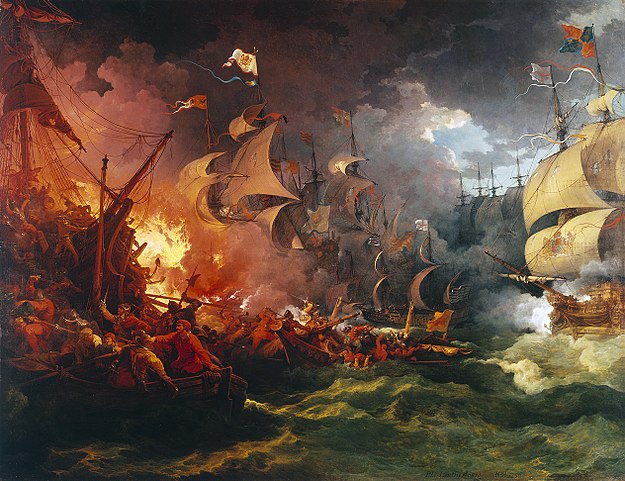
Defeat of the Spanish Armada,by Philip James de Loutherbourg

The Paths of the Chimerum

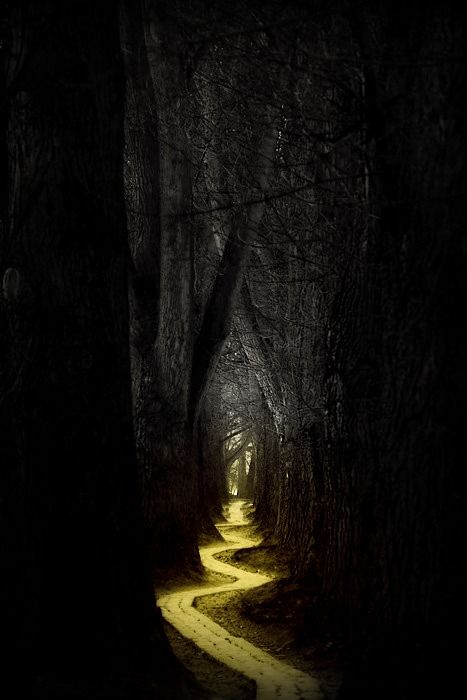
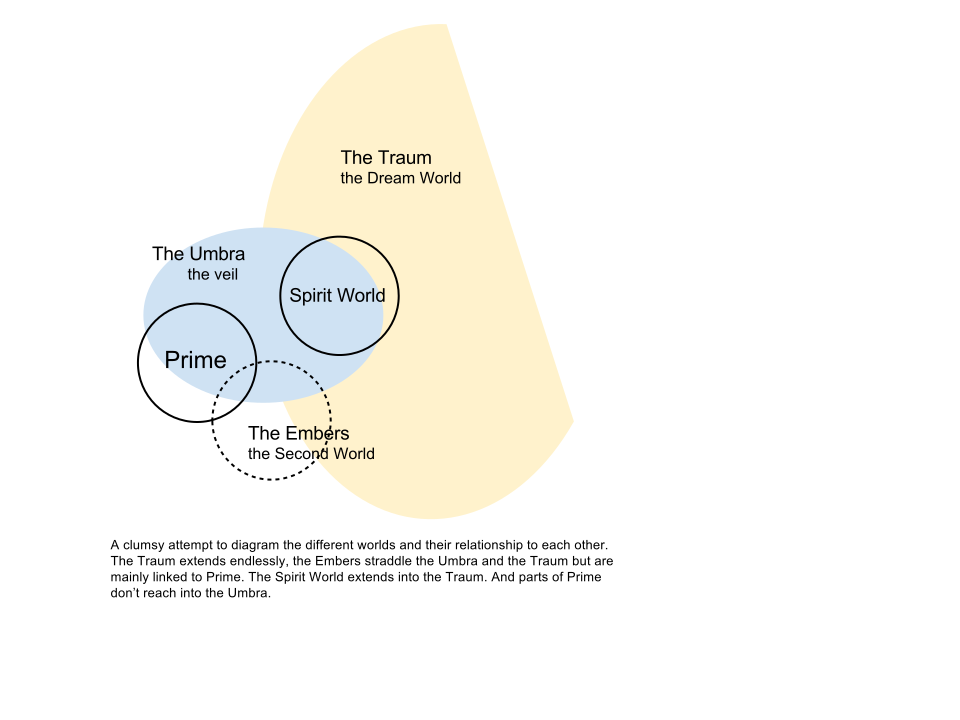
When you step into the Veil you enter a landscape of vague reality that exists between several places. More formally this is called the Umbra. It's most heavily influenced by the Spirit World, but it also touches on dreams and the edges of the Second World. It's a place without a cohesive geography and home to a long list of creatures: spirits and monsters and a few lost travelers. The short of it is, you're lost without a guide.

Path through the woods (source: apologies to the owner/creator, not sure where this is from)

The Gods Want You to Die

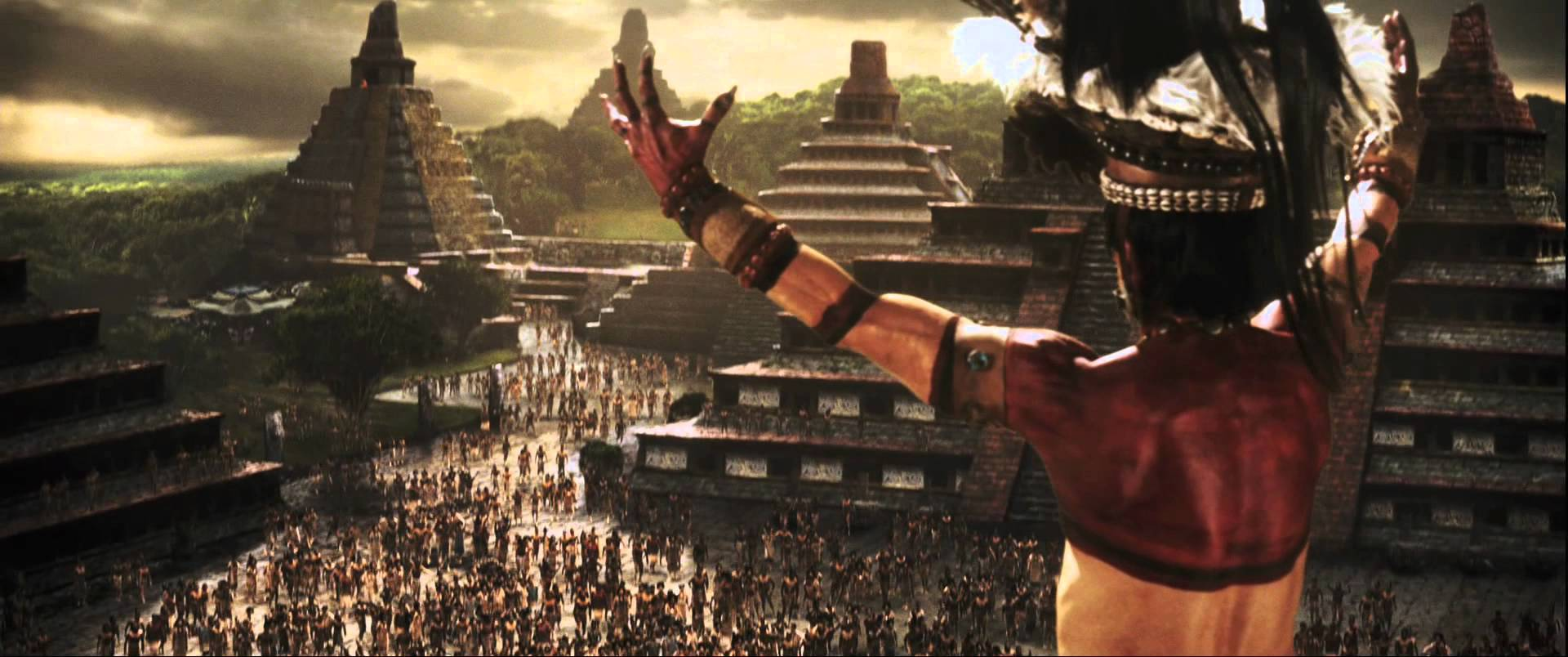
The Gods Want You to Die (and other fun facts): in the end, every god wants you to die. They may promise health or safety, love or happiness, but what matters is your faith in them. That devotion binds your spirit to them and helps deliver your glow. It's ravenous and desperate and it drives the gods more than anything else. Without it they wither and die.

Movie still from Apocalypto

Session Notes: Valley of the Drowned Kings

A few thoughts on a recent one-off adventure. It was a tomb in the Lowlands in a place called the Valley of the Drowned Kings.

The adventure was meant to be easy. It was a classic "go explore the dungeon" setup for some friends, two of them new to the whole Dungeons & Dragons thing. It was set in the Lowlands, the main gateway region of the world that's easy to grasp and step into. All standard fantasy fare.

I decided to jump start the story at a campsite a half day from the tomb. They had a map. They had an NPC guide.

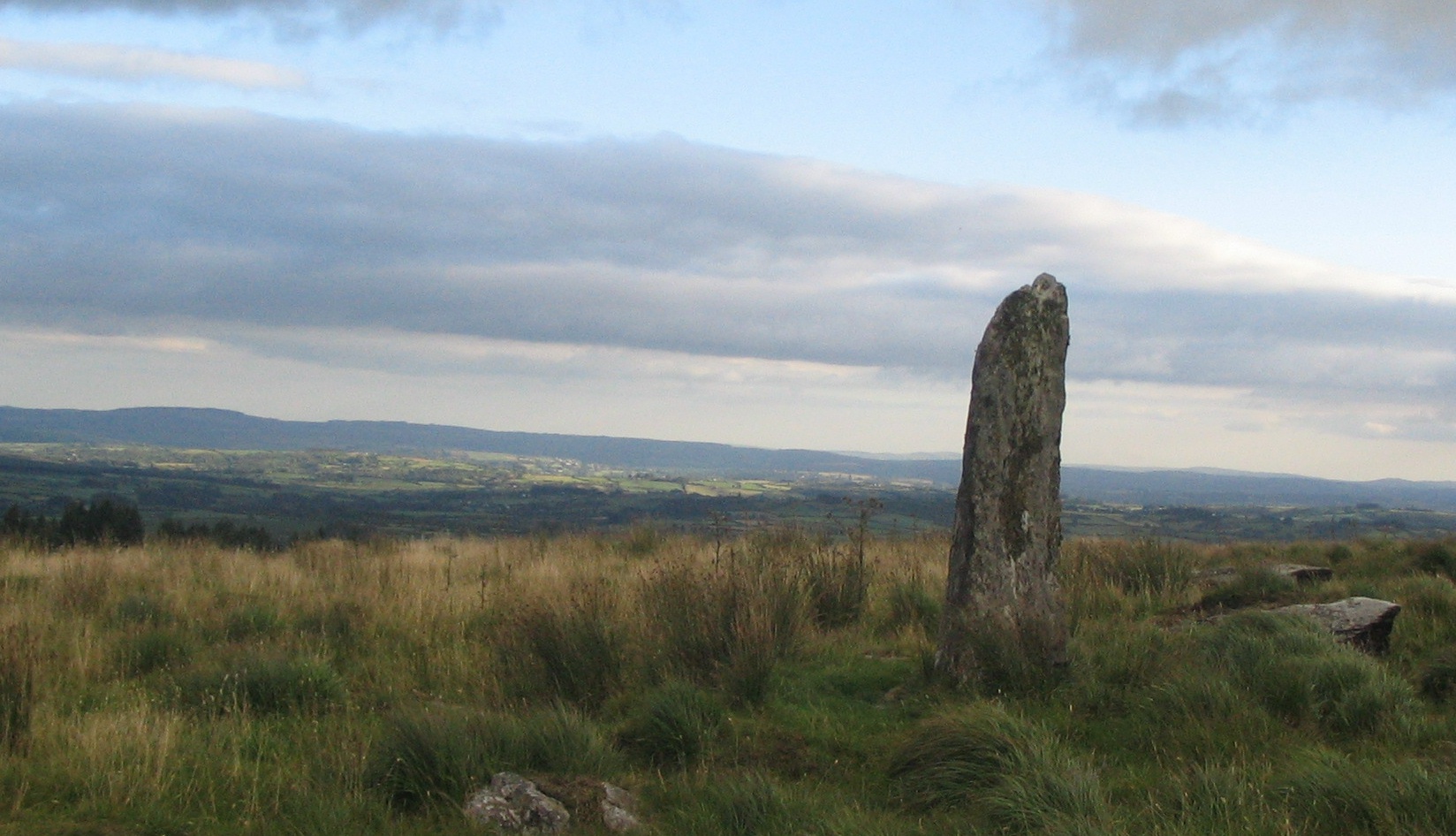
Unidentified standing stone located between Millstreet and Ballinagree, Co Cork, Ireland (public domain)

The Ninth City

"...in the soft hum of people’s sleeping minds I’ll tell you more. I’ll tell you about the Nine Rulers of the Seven States, the Lost City, the Darig Kingdoms, and the forgotten past of the Venthi people. Because here in Brok Nine every dream has found its way, and with it every secret and every truth."

This is from the work I was doing on a second edition of Maelstrom Storytelling for Hubris Games back in 2006. I think it was Chapter Three with a note to call it "At the Storm's Edge".

cover image for Maelstrom Storytelling (Hubris Games)

The Pox Crain

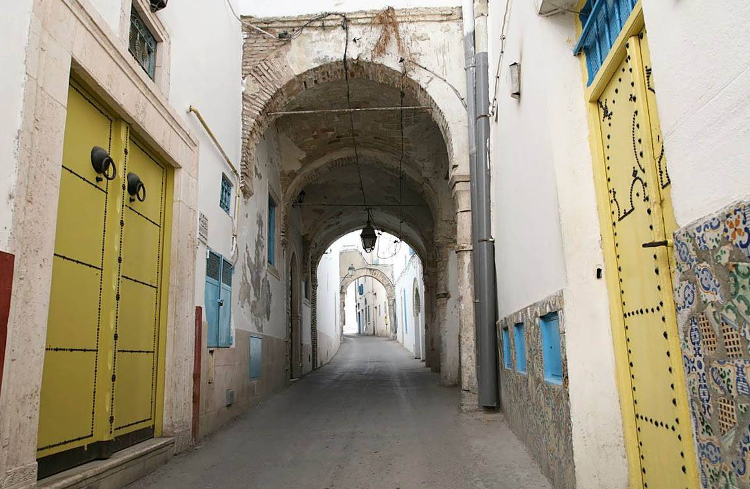
The Pox Crain is a bar in the dusty streets of Dryer Mob. Steps lead down to the relative cool of a low vaulted cellar near the Ivory Souk in Southwarren. It smells of hookahs, fish oil from the small kitchen, and cabbage. Sounds of the souk drift in from the street above and mix with the conversations of old men playing tiles, washer women in the alley behind, and the talk of travelers, traders, and the occasional drunk.

To most people, that's all there is. But to some, the Pox Crain is a vexing series of half-seen pathways into the Veil, full of whispers and echoes of dreams, spirits and the dead.

image: Tunis old quarter (copyright voyagevirtuel.co.uk)

Lost Gods

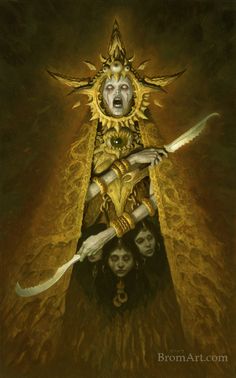
If there were such a thing as archaeologists they'd find remnants of forgotten gods as well as different interpretations of the current ones. There's Bachnel, the brother of Gahl who was god of night and dreams, and the Goat God of the Grasslands called Puknet. There are ancient Rayikian texts with references to Borgia goddess of seizures and possession. There are whole religions that are lost, like the Sanctum of the Four Winds.

image: Brom's Lost Gods

Normal Folks in a World of Monsters

Wolves, bears, garden-looting rabbits: real problems for medieval villagers. They also had bandits, plagues, and feudal wars. Add in some griffons, goblins, ghosts, dire wolves, and a few heartless fairies and you wonder how normal people get through a single day in a fantasy world.

How do things work in a world with magic? In games we tend to talk about monsters in the wild, in tombs, in dungeons. What about the villages? These tiny outposts of civilization have to have some way of surviving.

These are some thoughts on how it all can work, making better sense for a world while adding layers of story, and even a few adventure hooks.

Seven Years

Seven Years of the Rahman Campaign

It all ended in the mining town of Pitfife near the Copper Lake in the Cairn Hills. Grimly, as expected. The final showdown with Kleg Blacklung, the man who killed their grandfather, came down to the wire. Abas and Kleg took each other down, and though not dead the brothers were bleeding out and the last of the Rahmans standing was a henchwoman named Hissie. Not that Kleg had many men left, and some of them were still on fire: but either the brothers would die there on the floor or at best find themselves chained and battered on their way to execution.

Ravines and Other Killers

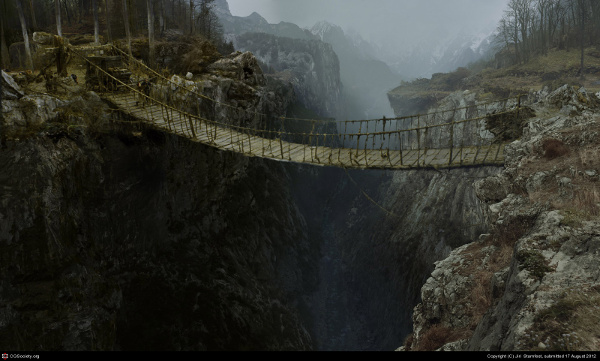
The party's been stuck in the wilderness for months now. Winter-edge-of-nowhere wilderness. It turns out the biggest npc killer is ravines. You'd think wolves, bears, oversized spiders, bloodsucking vines, tentacled freshwater things, or the usual hordes of hostile humanoids. Angry fairies. Carniverous pandas. Nope. Ravines.

Pretty sure we've lost six party members to ravines.

The fantasy genre gets a little dull in a winter wilderness. Most things are hibernating. No farms or towns to explore or draw out the hordes of humanoids or country brigands. You're stuck with dragons. And that's if they're even warm-blooded. I found myself making up reasons why there are kobolds with catapults.